
Is Screen Time Worsening Your Child’s Vision? Myopia Care for Freehold Students
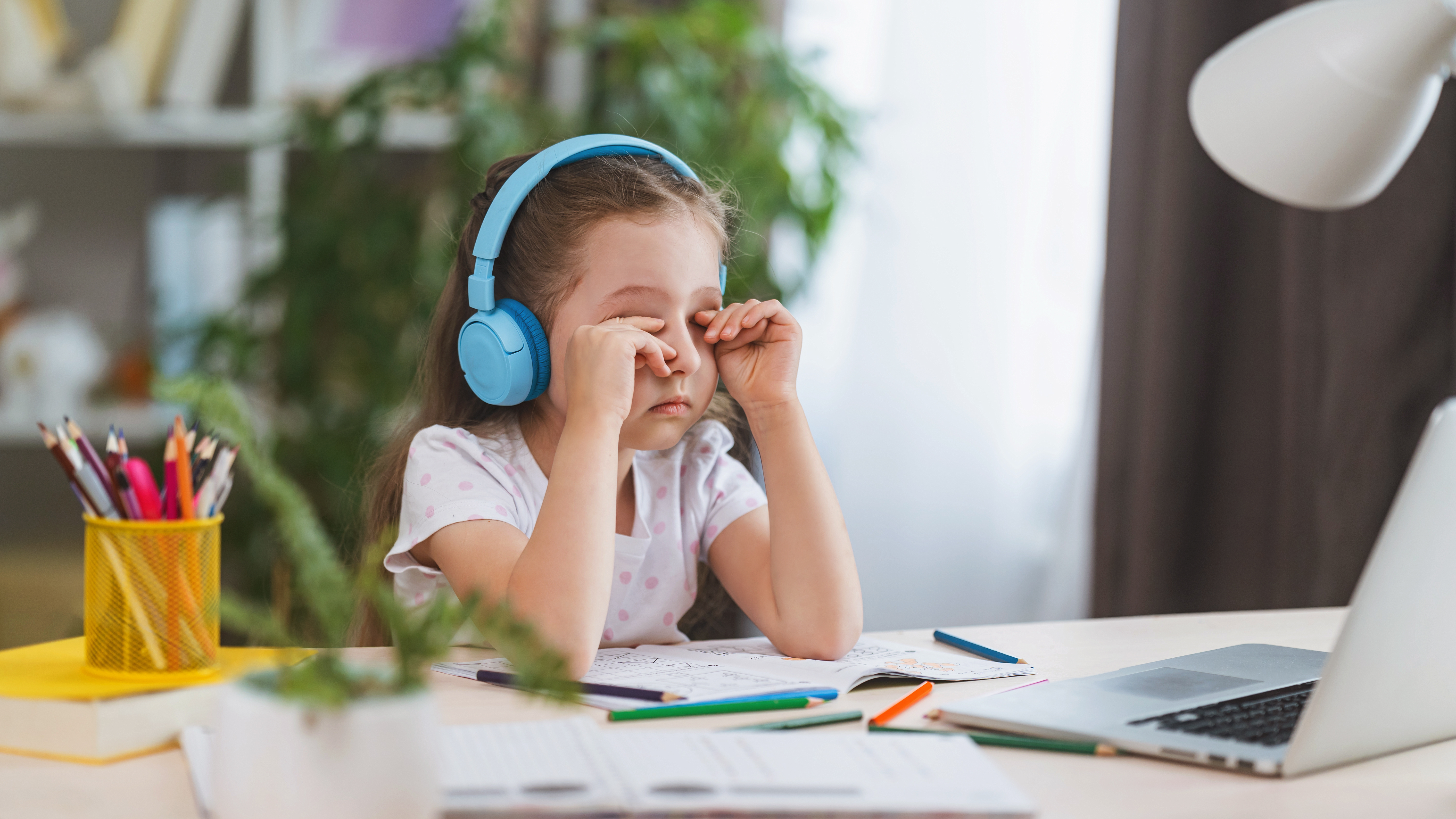
Between schoolwork, tablets, smartphones, gaming, and streaming, screens have become a regular part of daily life for students. For parents in Freehold, increased screen time can raise an important question: Is all that close-up viewing affecting my child’s vision?
Screen use alone is not considered the sole cause of myopia, or nearsightedness. However, long periods of near work, including screen use and reading, may contribute to myopia risk, while spending more time outdoors has been associated with a lower risk of developing nearsightedness.
Understanding Myopia In Students
Myopia causes distant objects to appear blurry while close-up vision remains clearer. It often develops during childhood and may continue progressing as the eyes grow.
A student with worsening myopia may not always tell a parent that something has changed. Instead, parents or teachers may notice changes in everyday behavior, including:
• Squinting to see the board or objects across the room
• Sitting closer to the television
• Holding phones, tablets, or books very close
• Complaining of headaches or tired eyes after school
• Having difficulty seeing during sports or other distance-based activities
• Experiencing frequent prescription changes
Because children may adapt to gradual vision changes, regular pediatric eye care can help identify myopia and determine whether it is progressing.
How Screen Habits Can Affect Your Child’s Eyes
Students frequently shift between classroom screens, homework, and personal devices without giving their eyes much time to focus at a distance. Extended near work can contribute to visual fatigue and may be one environmental factor associated with myopia.
Healthy habits can help create a better balance. Encourage your child to take regular breaks from close-up work, keep screens at a comfortable viewing distance, and spend more time outdoors when possible. The 20-20-20 rule can also be helpful - every 20 minutes, look approximately 20 feet away for at least 20 seconds. These habits do not replace professional myopia care when a child’s prescription is already progressing.
Myopia Management for Freehold Children
Standard glasses can correct blurry distance vision, but myopia management is designed to address the progression of nearsightedness.
At I. David Nestorowicz, OD, we offer pediatric eye care and several myopia management options. Depending on your child’s age, prescription, eye health, lifestyle, and other factors, options may include Stellest lenses, MiSight contact lenses, or Ortho-K. Our goal is to evaluate each child individually and recommend an approach suited to their vision needs rather than relying on a one-size-fits-all plan.
When to Schedule a Myopia Evaluation
If your Freehold student is squinting, struggling to see at a distance, sitting closer to screens, or experiencing frequent prescription changes, it may be time for an eye examination. Identifying myopia early gives us the opportunity to monitor changes and discuss appropriate options for managing progression.
Schedule your child’s myopia evaluation with I. David Nestorowicz, OD to learn how we can support clearer vision through the school years. Contact our office in Freehold, NJ, by calling (732) 431-1004 to book an appointment.
Quick Links
Helpful Articles

All Eye Care Services
Find personalized eye care excellence with our comprehensive services. From eye exams to advanced diagnostics, trust us for all your vision needs.

Keep In Touch
For non-urgent questions or to learn more about our services, contact us today!
© 2026 I. David Nestorowicz, OD. All rights Reserved - Accessibility Statement - Privacy Policy - Sitemap
Managed and Designed by 