
Struggling with Keratoconus or Astigmatism? How Scleral Lenses Restore Clear Vision
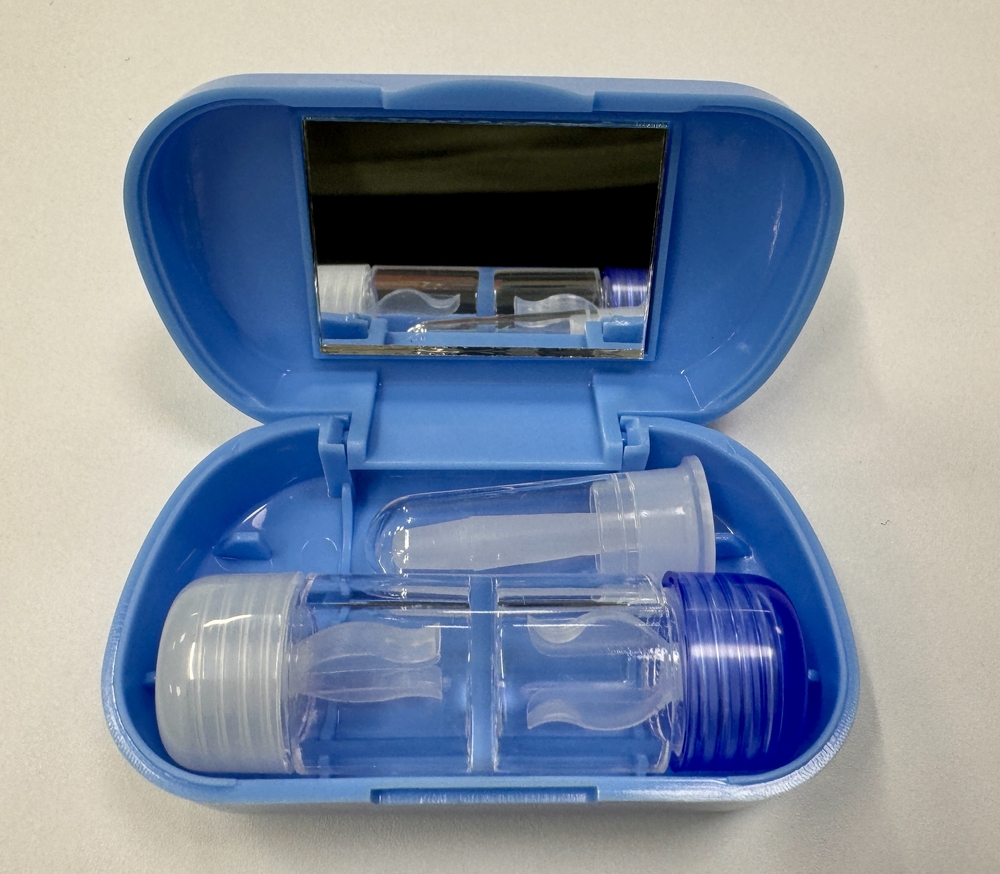
Living with keratoconus or irregular astigmatism can make everyday activities frustrating, especially when traditional glasses or contact lenses fail to provide clear vision. Blurry eyesight, distorted images, and frequent prescription changes can affect your comfort and quality of life.
At I. David Nestorowicz, OD, in Freehold, NJ, we understand the challenges of managing complex vision conditions. Specialty contact lenses, including scleral lenses, can offer an effective solution for patients who struggle with conventional vision correction.
Understanding Keratoconus and Astigmatism
Keratoconus is a progressive eye condition that causes the cornea to thin and develop a cone-like shape. This irregular curvature prevents light from focusing properly on the retina, resulting in blurry or distorted vision.
Astigmatism occurs when the cornea or lens has an uneven curvature. While regular astigmatism can often be corrected with glasses or standard contact lenses, more complex cases may require specialized options.
Both conditions can cause symptoms such as:
Blurry or distorted vision at different distances
Increased sensitivity to light and glare
Difficulty seeing clearly at night
Frequent changes in eyeglass prescriptions
Trouble achieving sharp vision with traditional contacts
If you're experiencing these symptoms, a comprehensive eye exam at our Freehold office can help us determine the cause and explore appropriate vision correction options.
What Are Scleral Contact Lenses?
Scleral lenses are specialized, large-diameter gas-permeable contact lenses designed to vault over the cornea and rest on the sclera, the white part of the eye.
Unlike traditional contacts that sit directly on the cornea, scleral lenses create a smooth optical surface that compensates for irregular corneal shapes.
The space between the lens and the cornea is filled with sterile, preservative-free saline solution, creating a fluid reservoir that can also improve comfort for patients experiencing dry eyes.
How Scleral Lenses Improve Vision With Keratoconus
For patients with keratoconus, traditional glasses may become less effective as the cornea changes shape. Standard soft contact lenses often conform to the irregular surface, limiting their ability to correct visual distortion.
Scleral lenses address this challenge by providing a stable, smooth refractive surface that helps light focus more accurately.
Many patients experience sharper vision, reduced visual distortion, and improved comfort compared to conventional contact lenses.
Although scleral lenses do not stop keratoconus progression, they can significantly improve functional vision. Patients with progressive keratoconus may also need evaluation for corneal cross-linking.
Can Scleral Lenses Correct Astigmatism?
Yes, scleral lenses can be particularly beneficial for irregular or high astigmatism that cannot be adequately corrected with standard lenses.
Their rigid optical surface helps compensate for corneal irregularities while their larger design provides stability during blinking and daily activities.
However, not everyone with astigmatism needs scleral lenses. Regular astigmatism can often be managed successfully with glasses or toric contact lenses.
What to Expect During a Specialty Contact Lens Evaluation
At our Freehold, NJ, practice, we begin by evaluating your eye health, prescription, and corneal shape to determine whether specialty contact lenses may benefit your vision.
A scleral lens fitting typically involves detailed corneal measurements, trial lenses, and adjustments to achieve an appropriate fit.
We also explain proper insertion, removal, cleaning, and lens care. Follow-up appointments help us monitor your comfort, vision, and overall eye health.
If your glasses or regular contacts are no longer providing the clarity you need, schedule a specialty contact lens evaluation with I. David Nestorowicz, OD, located at 4345 US Highway 9, Freehold, NJ 07728. Call (732) 431-1004 to explore personalized options for clearer, more comfortable vision.
Quick Links
Helpful Articles

All Eye Care Services
Find personalized eye care excellence with our comprehensive services. From eye exams to advanced diagnostics, trust us for all your vision needs.

Keep In Touch
For non-urgent questions or to learn more about our services, contact us today!
© 2026 I. David Nestorowicz, OD. All rights Reserved - Accessibility Statement - Privacy Policy - Sitemap
Managed and Designed by 