
Diabetic Eye Exams: What Your Eye Doctor Checks

Diabetes can affect the eyes even when your vision still seems perfectly clear. Over time, changes in blood sugar can damage small blood vessels in the retina and increase the risk of diabetic retinopathy and other eye conditions. Because early changes may develop without obvious symptoms, regular diabetic eye exams are an important part of protecting your vision.
At I. David Nestorowicz, OD in Freehold, we provide diabetic-related eye exams that look beyond your glasses prescription to evaluate the health of the eyes.
Why Does Diabetes Affect the Eyes?
The retina is the light-sensitive tissue at the back of the eye. It relies on a network of tiny blood vessels to function properly.
Over time, diabetes can damage these vessels. They may weaken, leak fluid or blood, or develop other abnormalities associated with diabetic retinopathy. Diabetes can also increase the risk of cataracts and glaucoma.
One of the challenges is that diabetic retinopathy may not affect your everyday vision during its early stages. You can still read, drive, and work comfortably while changes are developing inside the eye.
What Does Your Eye Doctor Check?
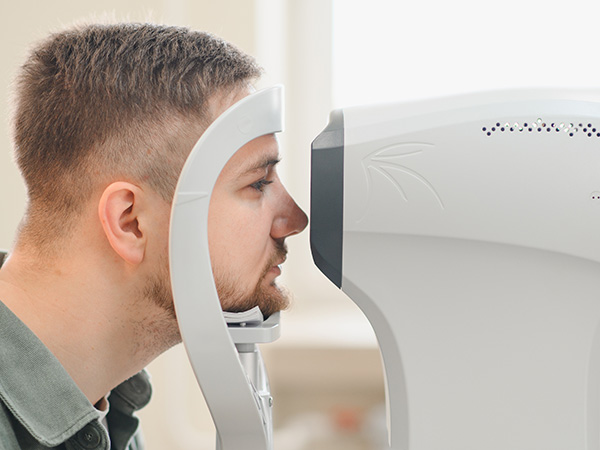
A diabetic eye exam evaluates several aspects of your vision and eye health. Depending on your individual needs, we may check:
Your visual acuity and current prescription
The retina and its blood vessels for diabetes-related changes
The macula, which provides detailed central vision
The optic nerve for signs of damage
Eye pressure as part of glaucoma screening
Changes compared with previous eye examinations
Your health history is also important. Let us know how long you have had diabetes, which medications you take, and whether you have noticed blurry vision, new floaters, or other visual changes.
Why Is the Retina So Important?
Diabetic retinopathy can progress through different stages. Early changes may involve small areas of blood vessel damage, while more advanced disease can involve abnormal new blood vessel growth or bleeding inside the eye.
Diabetes can also cause swelling in the macula, known as diabetic macular edema. Because the macula is responsible for sharp central vision, swelling in this area can interfere with reading, driving, and recognizing faces.
Regular retinal evaluation gives us an opportunity to look for these changes before relying on symptoms alone.
Will Your Eyes Need to Be Dilated?
Pupil dilation may be recommended during a diabetic eye exam to provide a wider view of the retina and other internal structures.
Dilating drops temporarily enlarge the pupils. Afterward, you may experience increased light sensitivity and temporary difficulty focusing at near. The effects wear off gradually.
Your individual examination findings and medical history help determine which testing is appropriate during your Freehold eye exam.
How Often Should You Have a Diabetic Eye Exam?
People with diabetes generally need regular comprehensive eye examinations, commonly at least once each year. Some patients may need more frequent monitoring if diabetic retinopathy or another eye condition has already been detected.
Managing blood sugar, blood pressure, and cholesterol according to your healthcare provider's recommendations can also support long-term eye health. Eye exams work alongside your overall diabetes care rather than replacing it.
Do not wait for your next routine visit if you develop sudden vision loss, flashes of light, a rapid increase in floaters, or a curtain-like shadow across your vision. These symptoms require urgent evaluation.
If you have diabetes and are due for an eye health evaluation, contact I. David Nestorowicz, OD at 4345 US Highway 9, Freehold, NJ 07728 by calling (732) 431-1004 to schedule your diabetic eye exam.
Quick Links
Helpful Articles
All Eye Care Services
Find personalized eye care excellence with our comprehensive services. From eye exams to advanced diagnostics, trust us for all your vision needs.

Keep In Touch
For non-urgent questions or to learn more about our services, contact us today!
© 2026 I. David Nestorowicz, OD. All rights Reserved - Accessibility Statement - Privacy Policy - Sitemap
Managed and Designed by 